
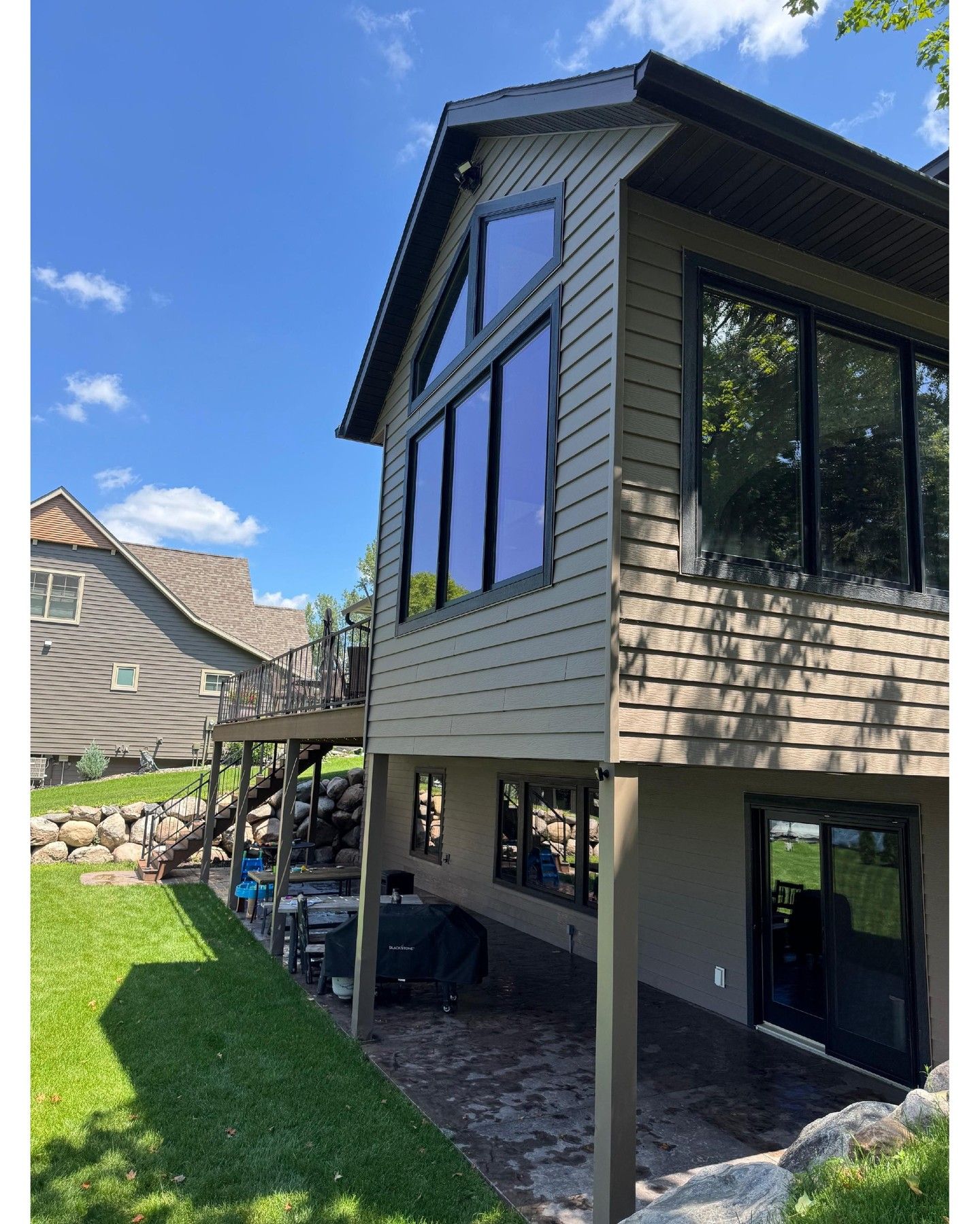
Surfaces Protected Before Weather Hits Hard
Painting Services in St. Joseph for homes showing fading, peeling, or weather-damaged surfaces
Cordell's Custom Services handles residential painting for interior and exterior projects throughout St. Joseph, applying careful prep work and quality-focused coats that stand up to local conditions. You need this when trim shows cracking, siding loses its protective finish, or rooms require a complete refresh. Minnesota's freeze-thaw cycles and summer moisture exposure accelerate paint degradation, making proactive repainting a functional maintenance step rather than a cosmetic preference.
The process begins with surface preparation—scraping loose material, filling cracks, sanding rough areas, and priming bare wood or damaged sections before any finish coats go on. Skipping these steps leads to premature failure regardless of paint quality. Exterior work includes deck surfaces, railings, siding, and trim, where preparation determines whether the finish lasts two years or ten.
Schedule a property walkthrough to identify surfaces requiring immediate attention and plan timing around weather windows.
What Proper Surface Preparation Requires
Every painting project starts with assessing the existing surface condition—checking for rot, identifying failing caulk lines, and determining whether previous coats are latex or oil-based, which affects adhesion. Proper prep includes cleaning surfaces to remove mildew and dirt that prevent paint from bonding, then addressing any structural issues before priming.
Once the work is complete, you'll notice sharp, clean lines where trim meets walls, uniform color coverage without streaking, and surfaces that shed water correctly rather than absorbing it. Exterior projects eliminate the chalking and fading that made the house look neglected, while interior work produces smooth, even finishes that change how light reflects in each room.
Timing matters for exterior work—painting too early in spring traps moisture under the film, while late-fall applications don't cure properly before freezing temperatures arrive. St. Joseph's weather requires planning projects around temperature ranges that allow paint to dry and cure without condensation or frost interference.
Questions Homeowners Ask Before Painting Projects
Understanding what's involved helps you evaluate whether a project is being done correctly or rushed through without adequate preparation.
What happens if it rains during exterior painting?
Moisture ruins uncured paint, so work stops when rain is forecasted within the curing window, which varies by product but typically requires 24 to 48 hours of dry conditions after application.
How does Minnesota weather affect paint longevity?
Freeze-thaw cycles cause expansion and contraction that crack brittle finishes, while summer humidity and UV exposure fade pigments and break down binders, meaning exterior surfaces here need repainting more frequently than in moderate climates.
Why does prep work take longer than the actual painting?
Surface flaws telegraph through any finish coat, so removing loose material, filling cracks, sanding rough spots, and priming bare areas correctly determines whether the paint adheres and lasts or fails within a season.
What's included in an interior painting estimate?
Most projects include moving light furniture, covering floors, patching minor wall damage, one primer coat if needed, and two finish coats, but not wallpaper removal or extensive drywall repair.
When should deck surfaces be repainted?
Deck paint typically shows wear in high-traffic areas first—once bare wood is visible or water no longer beads on the surface, the protective layer is compromised and moisture damage accelerates.
Cordell's Custom Services works directly with property owners to explain what each project requires and adjust timelines around weather conditions that affect curing. Request a detailed painting estimate based on your specific interior or exterior surface needs.